A Business Owner's Guide to Commercial Electrical Safety in Toronto
As a business owner in Toronto, you juggle countless responsibilities, from managing inventory and staff to serving your customers. The last thing you need is an unexpected operational shutdown, especially one caused by a preventable electrical issue. For any commercial enterprise, electrical safety isn't just about keeping the lights on; it's a critical component of protecting your employees, your customers, your property, and your bottom line. An electrical fault can lead to costly downtime, equipment damage, and significant safety hazards.
Navigating the complexities of the Ontario Electrical Safety Code (OESC) while ensuring your system can handle the demands of modern technology can feel overwhelming. This guide will walk you through the essentials of commercial electrical safety, from identifying common hazards and understanding regulatory compliance to the benefits of proactive maintenance. We'll help you understand how to keep your business safe, compliant, and running smoothly.
Common Electrical Hazards in Commercial Spaces
Commercial properties, whether they're bustling retail stores, offices, or industrial workshops, have unique electrical demands that differ significantly from residential settings. Many older buildings in our city weren't designed for the high-draw equipment that is standard today, creating potential risks if not properly managed.
Here are some of the most common hazards to be aware of:
- Overloaded Circuits: The addition of new computers, specialized machinery, commercial kitchen appliances, or even multiple EV chargers for a company fleet can easily overwhelm a system that hasn't been assessed or upgraded. This is a leading cause of frequently tripping breakers and a significant fire risk.
- Outdated Wiring and Components: Just like the knob and tube wiring found in older homes, many commercial buildings have aging electrical infrastructure. Worn-out insulation, faulty outlets, and deteriorating connections can lead to short circuits, power surges, and electrical fires.
- Aging Electrical Panels: The electrical panel is the heart of your system. An old or undersized panel may not have the capacity for your business's needs or lack modern safety features, making it a critical point of failure.
- Inadequate Emergency Systems: Functional emergency lighting and clearly illuminated exit signs are not just a good idea—they are a legal requirement. A failure in this system during a power outage can create a dangerous and chaotic situation, posing a serious risk to anyone inside the building.
The Importance of ESA Compliance
In Ontario, all electrical work is governed by the Electrical Safety Authority (ESA). For a business, adhering to ESA regulations and the Ontario Electrical Safety Code (OESC) is non-negotiable. It's the framework that ensures all installations and repairs are performed to the highest safety standards.
So, what does this mean for you? Any time you undertake electrical work—from installing a new dedicated circuit for a piece of equipment to a full-scale renovation—it must be performed by a Licensed Electrical Contractor. Furthermore, most commercial work requires an official ESA permit and a subsequent inspection. This process isn't just red tape; it's a crucial verification that the work was done correctly and safely.
Attempting to bypass this process by hiring an unlicensed individual or ignoring permit requirements can have severe consequences:
- Significant Fines: The ESA has the authority to issue substantial fines for non-compliant work.
- Insurance Invalidation: In the event of a fire or other incident caused by faulty electrical work, your insurance provider may deny your claim if the work was not performed by a licensed professional and properly inspected.
- Forced Shutdowns: If your electrical system is deemed unsafe, authorities can order your business to cease operations until the issues are rectified, leading to a massive loss of revenue.
Proactive Protection: The Value of Preventative Maintenance
Waiting for a problem to occur is a reactive strategy that often leads to emergency calls, expensive repairs, and disruptive downtime. A proactive approach through a scheduled preventative maintenance plan is one of the smartest investments a business can make. It’s about identifying and addressing small issues before they escalate into major failures.
A comprehensive commercial electrical maintenance plan typically involves:
- Thermal Imaging: Using an infrared camera to detect “hot spots” in your electrical panel and connections that are invisible to the naked eye. These indicate loose connections or overloaded circuits that can lead to failure.
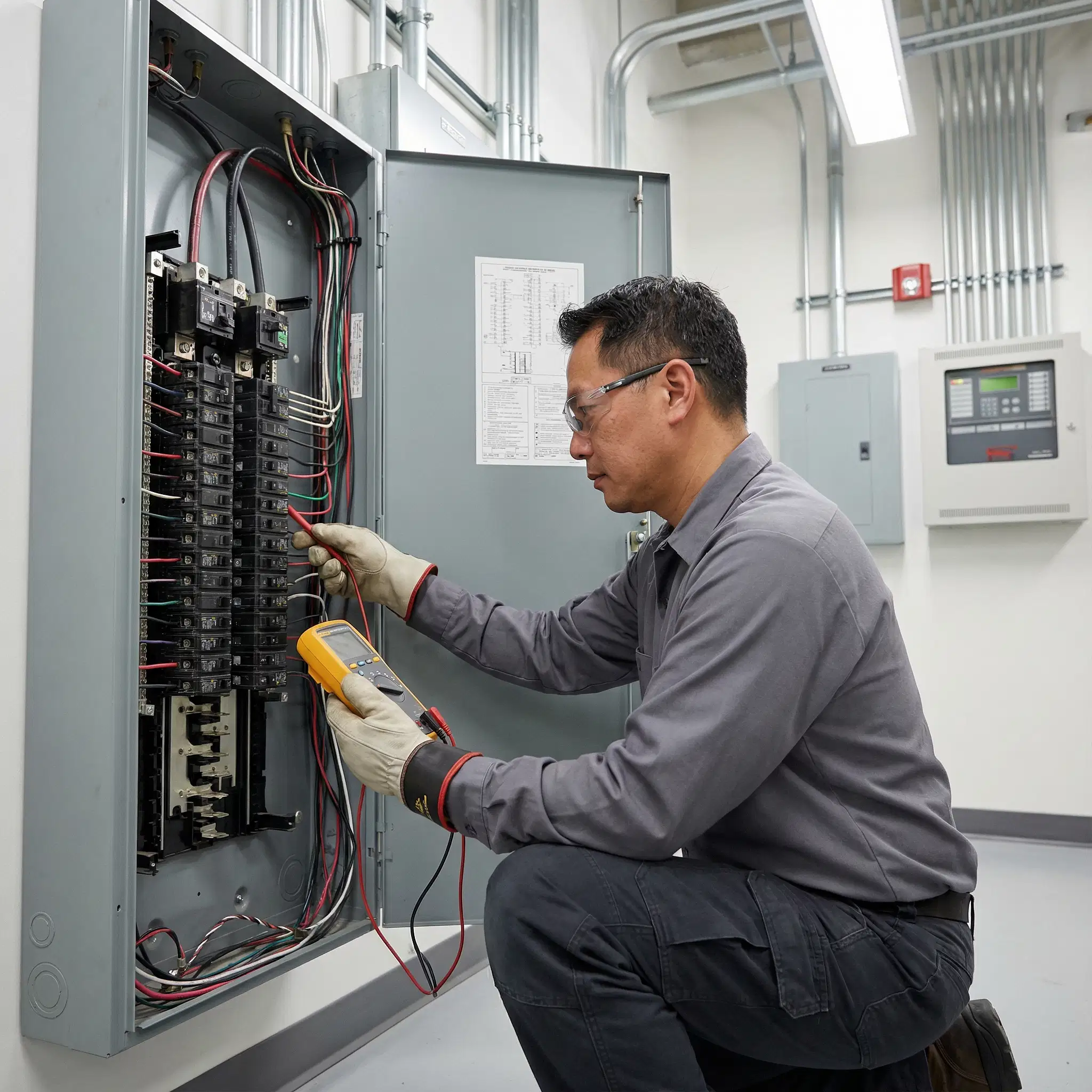
- Panel and Breaker Inspection: Ensuring all connections are tight, breakers are functioning correctly, and there are no signs of wear, corrosion, or overheating.
- Load Testing: Verifying that your circuits are balanced and not consistently running at maximum capacity.
Regular maintenance helps reduce the risk of unexpected outages, improves the energy efficiency of your system (which can lower your monthly hydro bill), and ensures you remain compliant with safety standards. It provides peace of mind, knowing your electrical system is safe and reliable.
Is It Time for a Panel Upgrade?
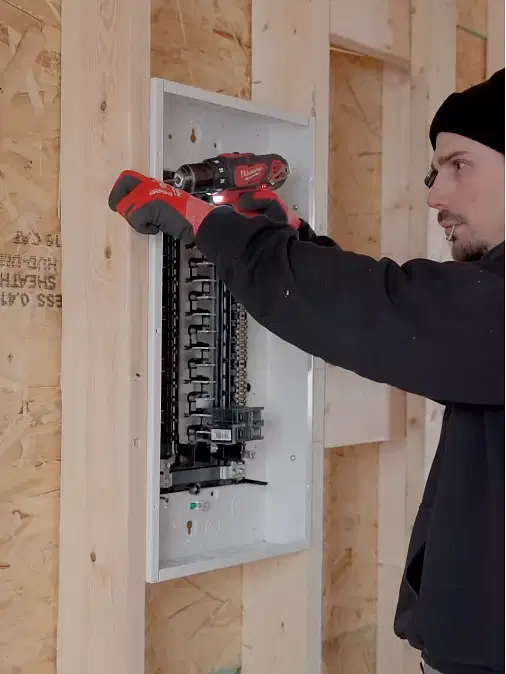
As your business grows and evolves, its power needs change. The electrical panel that was sufficient five or ten years ago might now be struggling to keep up. A panel upgrade is often necessary to safely support your current and future operations.
Consider a panel upgrade or replacement if you notice any of these signs:
- Your circuit breakers trip frequently.
- You're planning to add high-powered equipment, such as new manufacturing machinery, commercial-grade appliances, or a bank of EV chargers.
- You're undertaking a major renovation or expanding your commercial space.
- Your lights flicker or dim when large appliances turn on.
- Your current panel is an older model that uses fuses instead of breakers.
Upgrading your panel not only increases your electrical capacity but also significantly enhances the safety and reliability of your entire system, making your business ready for future growth.
Your Partner in Commercial Electrical Safety
Protecting your business from electrical hazards is a critical responsibility that requires professional expertise. From understanding the risks of an aging system and ensuring strict ESA compliance to implementing a preventative maintenance schedule and knowing when it's time for a panel upgrade, a proactive approach is key.
Don't wait for a flicker to become a failure. The team of licensed and insured electricians at Kcmil Electric Inc is here to help Toronto businesses operate safely and efficiently. Contact us today for a comprehensive commercial electrical safety assessment, a consultation for a panel upgrade, or for our reliable 24/7 emergency electrical services.