
A Landlord's Guide: Essential Electrical Safety for Toronto Basement Apartments
Creating a basement apartment is a popular way for Toronto homeowners to generate rental income or create a space for family. While you might be focused on layouts and finishes, the most critical component of your project is hidden behind the walls: the electrical system. Ensuring your basement unit is not just comfortable but also safe and legally compliant is paramount. An improper electrical installation can lead to serious risks, including fire hazards, legal liability, and voided insurance claims.
This guide will walk you through the essential electrical safety requirements for basement apartments in Toronto. We'll cover why code compliance is non-negotiable, what the key electrical components of a legal unit are, and how to avoid common pitfalls that could jeopardize your investment and the safety of your tenants. Understanding these fundamentals is the first step toward creating a successful and secure rental property.
The Foundation of Safety: Why ESA Compliance is Non-Negotiable
In Ontario, all electrical work is governed by the Electrical Safety Authority (ESA). Their mandate is to enhance public electrical safety, and compliance with the Ontario Electrical Safety Code is not optional—it's the law. For a project as significant as a basement apartment, this involves obtaining an electrical permit and having the work inspected and approved by the ESA.
Why is this so important?
- Tenant Safety: First and foremost, compliant wiring ensures the safety of the people living in the space. It minimizes the risk of electrical shocks and fires caused by overloaded circuits or faulty installations.
- Insurance and Liability: In the event of an electrical fire, your insurance provider will investigate the cause. If the work was done without a permit or fails to meet code, your claim could be denied, leaving you with devastating financial losses and potential legal liability.
- Property Value: A legally registered and inspected basement apartment is a valuable asset. An unpermitted unit with questionable wiring can be a major red flag for potential buyers and may need to be completely redone, costing you more in the long run.
Attempting to save money by hiring an unlicensed individual or doing the work yourself is a high-stakes gamble. A licensed, ESA-certified electrician understands the specific code requirements for secondary suites and ensures every connection is safe, reliable, and fully documented.
Key Electrical Requirements for a Legal Basement Unit
Creating a safe and functional living space requires careful planning. The electrical system for a basement apartment must be robust and designed to handle the demands of a modern household. Here are some of the core requirements a professional electrician will address during a home remodeling project:
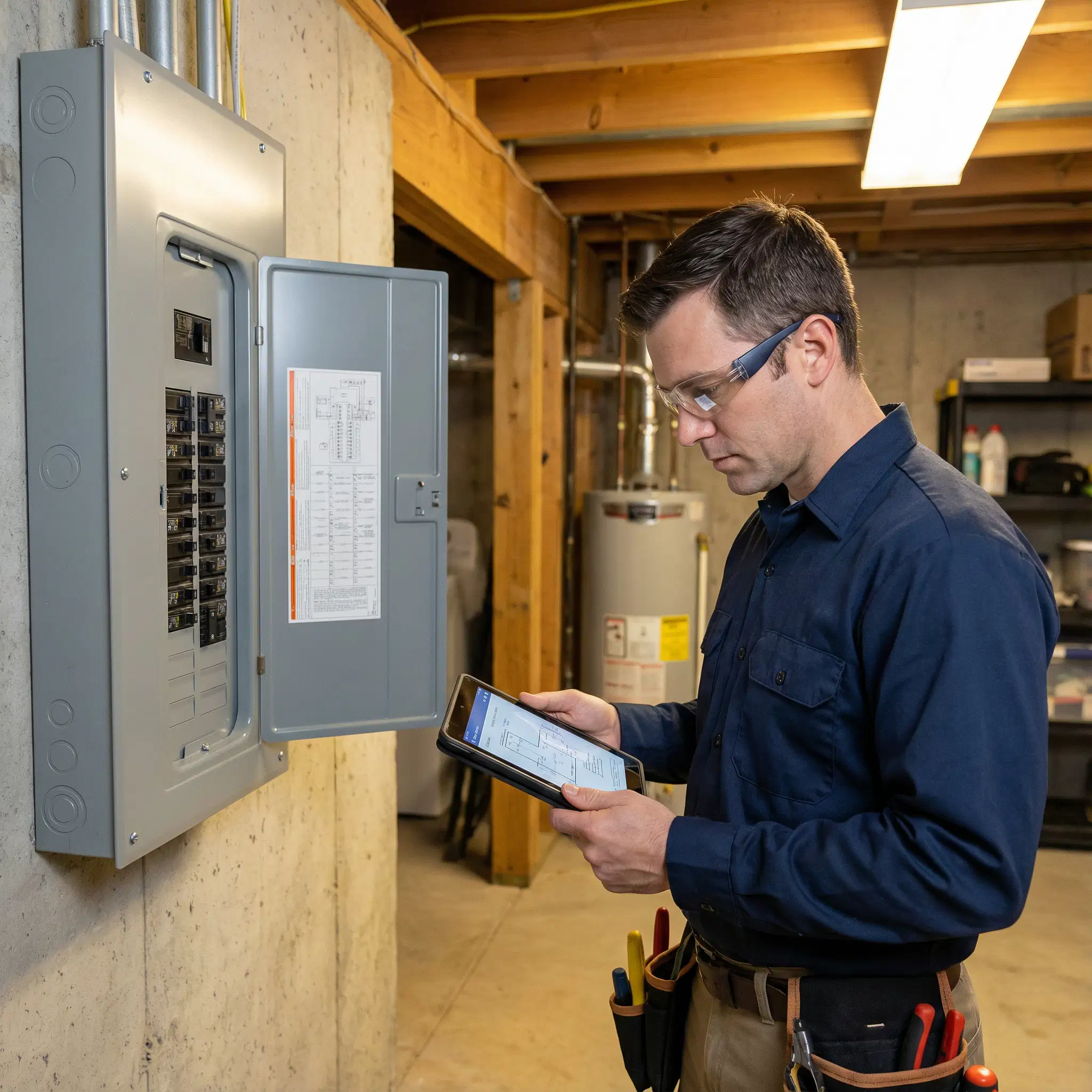
- Sufficient Electrical Capacity: Many older Toronto homes, especially those with original knob and tube wiring, don't have the electrical capacity to support a second full living unit. A crucial first step is often a panel upgrade to 200 amps. This ensures there's enough power for both your main home and the apartment without overloading the system.
- Dedicated Circuits: A basement apartment cannot simply tap into existing circuits. The Electrical Safety Code requires dedicated circuits for heavy-use areas and appliances to prevent breakers from tripping. This includes at least two circuits for kitchen countertop outlets, a dedicated circuit for the refrigerator, and separate circuits for bathrooms and laundry appliances.
- Hardwired Smoke and Carbon Monoxide Alarms: For the safety of your tenants, the law requires interconnected smoke and carbon monoxide detectors. This means they must be hardwired into the electrical system (with a battery backup) and linked, so if one alarm sounds, they all sound. This provides an early warning system for everyone in the building.
- Arc-Fault Circuit Interrupters (AFCIs): Most circuits in a new living space, including bedrooms and living areas, now require AFCI protection. These smart breakers are designed to detect dangerous electrical arcs—a common cause of electrical fires—and shut off the power before a fire can start.
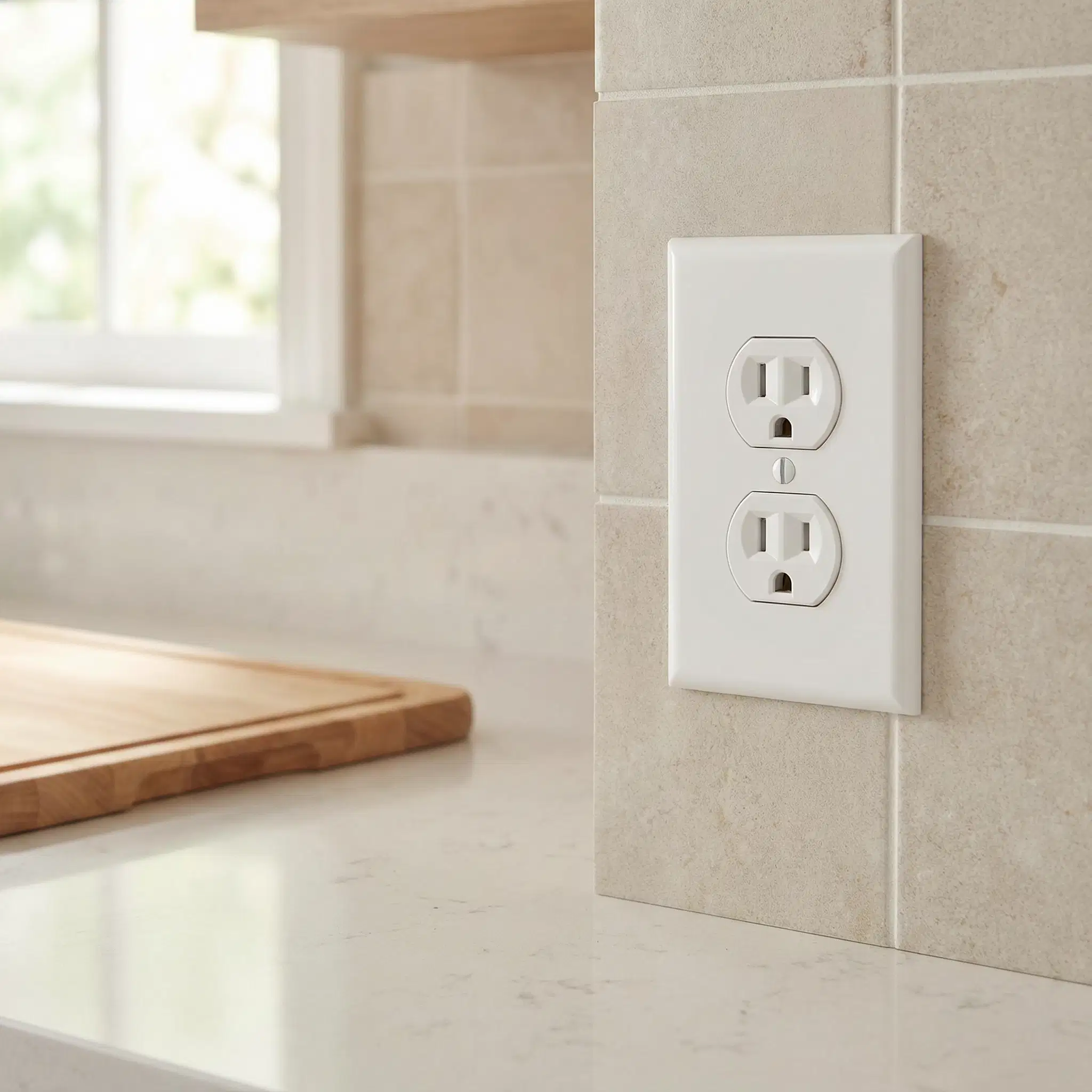
- Ground-Fault Circuit Interrupters (GFCIs): Any outlets located within 1.5 meters of a sink, or any outdoor receptacles, must have GFCI protection. These devices protect against electrical shock by quickly cutting power if they detect an imbalance in the current.
Avoiding Common Pitfalls in Your Basement Renovation
Even with the best intentions, homeowners can make critical mistakes during a basement renovation. The most significant error is underestimating the complexity of the electrical work. Building a new living unit is not a simple DIY project; it's essentially a form of new construction wiring that must be integrated safely with your existing system.
One common issue is building over old, outdated wiring. If your home has aluminum wiring or active knob and tube, it must be professionally decommissioned and replaced before any new walls go up. Simply covering it up creates a hidden and serious fire hazard.
Another pitfall is improper planning for the tenant's hydro usage. While not always mandatory, installing a separate meter for the basement apartment provides clarity and fairness for both you and your tenant. It eliminates disputes over utility bills and encourages energy conservation.
Ultimately, the best way to avoid these issues is to involve a qualified professional from the very beginning. An experienced electrician can perform a full assessment of your current system, create a detailed plan that meets all code requirements, and handle the entire permit and inspection process with the ESA.
Build Your Basement Apartment with Confidence
Creating a safe, legal, and profitable basement apartment in Toronto starts with a solid electrical foundation. By prioritizing safety and adhering to the Ontario Electrical Safety Code, you protect your tenants, your property, and your investment. Don't leave this critical work to chance. Partnering with a licensed and insured electrical contractor ensures peace of mind and a final result that is both functional and secure.
If you're planning a basement renovation, contact the experts at Kcmil Electric Inc. today. We specialize in comprehensive residential electrical services, including panel upgrades and wiring for home remodeling projects across the GTA. Let us help you power your project safely and correctly from the start.