Electrical Infrastructure and Sub-metering for New Condos
The skyline of Toronto is in a constant state of evolution, with new high-rise residential buildings and multi-unit developments transforming the urban landscape. For property developers, general contractors, and property managers, bringing these massive projects to life requires meticulous planning, especially when it comes to the building's nervous system: its electrical grid. Modern tenants and condo owners expect more from their living spaces than ever before. They want smart home automation, energy-efficient systems, and seamless integration for electric vehicles. Meeting these demands while keeping projects on schedule and within budget is a significant challenge, particularly given the complexities of modern construction.
Planning the electrical design for high-rise residential buildings is no longer just about running wires and installing outlets. It is about future-proofing a massive investment. From managing the overall power load to ensuring fair and accurate billing for hundreds of individual units, the electrical infrastructure must be robust, scalable, and strictly compliant with local safety standards. In this guide, we will explore the critical components of electrical planning for new multi-unit developments, focusing on load management, the importance of sub-metering, and navigating the rigorous regulatory landscape.
Designing Electrical Infrastructure for High-Rise Residential Buildings
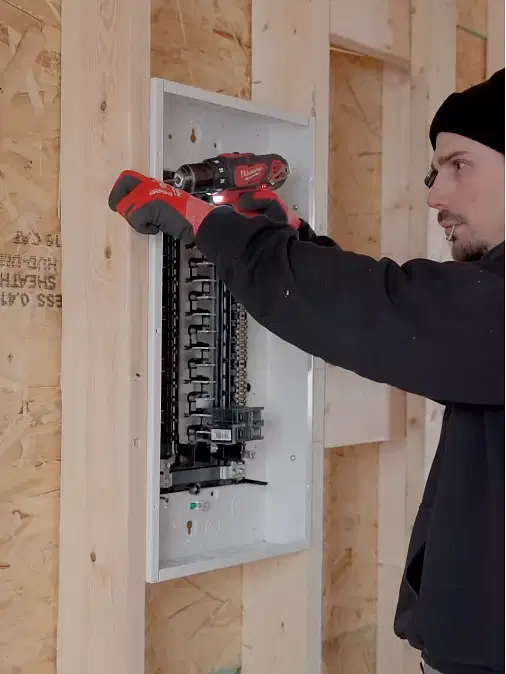
When breaking ground on a new multi-unit development, the electrical foundation dictates the long-term success and safety of the building. Today's electrical design for high-rise residential projects must account for a rapidly shifting technological landscape. We are seeing a massive surge in demand for Level 2 EV charger installations, smart electrical panels, and automated home energy management systems. These innovations require a significantly higher baseline of power and far more sophisticated new construction wiring than buildings constructed even a decade ago.
One of the primary challenges developers face during this phase is the severe shortage of licensed journeypersons and reliable apprentices in the GTA. This labor shortage can limit business growth, delay project timelines, and increase overall labor costs. Partnering with an established electrical contractor who has a dedicated, highly trained workforce is essential to keep your development on track. Furthermore, the push for sustainability and alignment with municipal net-zero strategies means that buildings must be designed to handle energy-efficient LED retrofits, heat pump electrical readiness, and potentially solar-ready integrations.
Proper planning also mitigates financial and operational pain points down the line. Volatile material costs due to inflation mean that accurate, upfront electrical estimating is crucial. By integrating advanced infrastructure early in the design phase, developers avoid the exorbitant costs of retrofitting older systems later. Whether it is a sprawling suburban complex or a dense urban high-rise, the electrical backbone must be engineered for both current demands and future technological advancements.
Smart Sub-metering and Managing Hydro Load
Gone are the days when a single bulk utility meter was sufficient for a multi-unit residential building. Today, sub-metering installation for multi-unit developments is a standard and highly expected practice. Sub-metering allows property managers and condo boards to measure the exact electricity consumption of each individual unit. This not only promotes energy conservation among residents—as they are directly responsible for their own hydro usage—but it also stabilizes cash flow for the property management by removing the unpredictability of bulk utility billing.
Managing hydro load for large buildings is a complex engineering feat. A high-rise condo draws an immense amount of power, especially during peak hours when residents are cooking, running HVAC systems, and charging electric vehicles. The infrastructure must be carefully balanced to prevent system overloads and ensure consistent power delivery. This often involves liaising closely with Toronto Hydro to coordinate service connections and ensure the municipal grid can support the new development's demands.
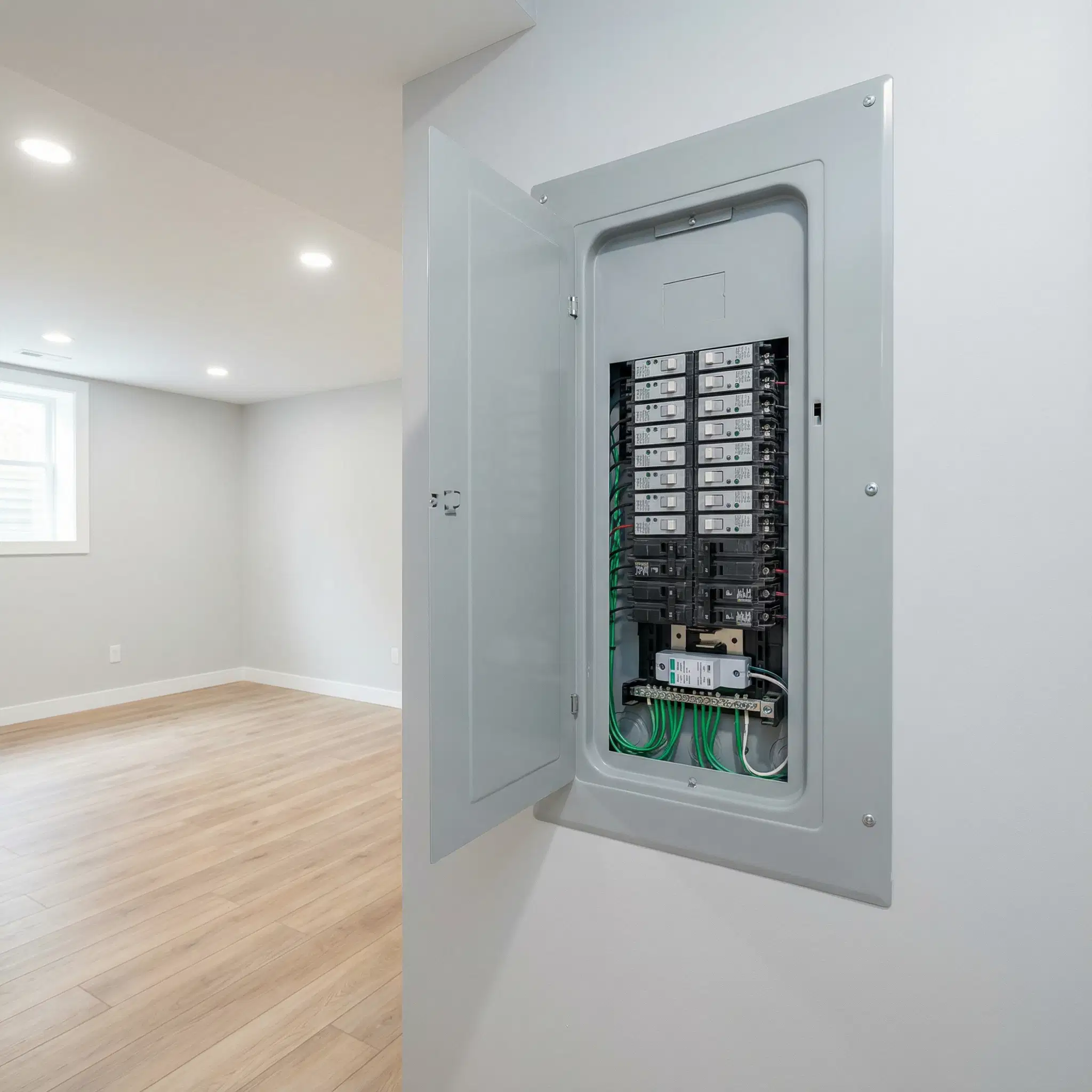
In many cases, ensuring the building can handle these massive loads requires strategic distribution and, occasionally, a specialized panel upgrade or replacement at the sub-distribution level to accommodate high-draw amenities like commercial-grade fitness centers or centralized cooling plants. Implementing a smart sub-metering system provides real-time data on energy consumption, allowing building operators to identify inefficiencies, predict maintenance needs, and optimize the overall energy performance of the property.
Ensuring OESC Compliance and Securing ESA Permits
Navigating the regulatory environment is arguably one of the most critical aspects of any new construction project. Strict enforcement of the Ontario Electrical Safety Code (OESC) means that every wire, panel, and meter must meet rigorous safety standards. A common question from developers and property owners is whether they need an Electrical Safety Authority (ESA) permit for their projects. The answer is an unequivocal yes. OESC compliance for multi-residential developments is mandatory, and failing to secure the proper permits can lead to devastating project delays, hefty fines, and severe safety hazards.
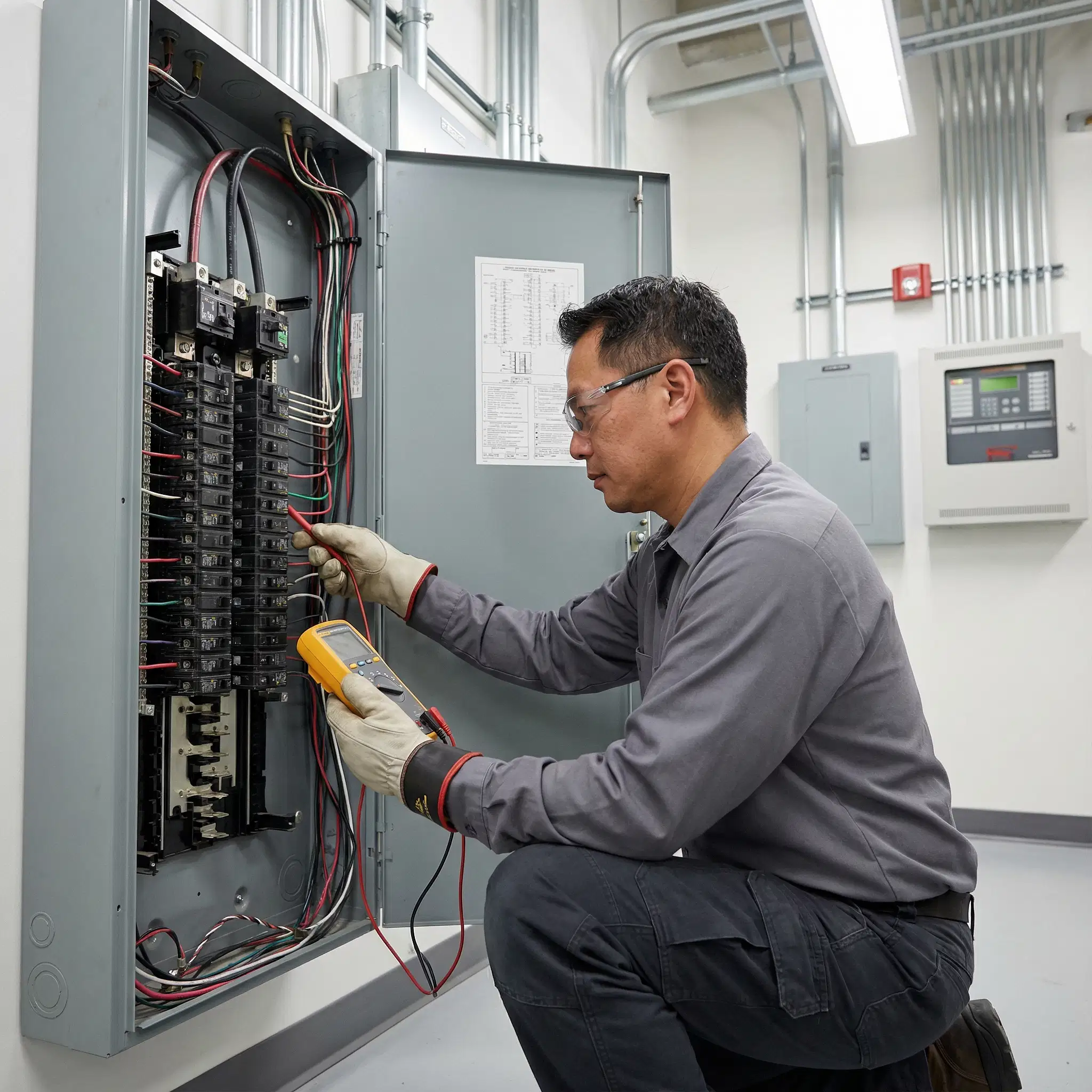
Working with a Licensed Electrical Contractor (LEC) is not just a best practice; it is a legal requirement for this level of work. An experienced contractor understands the nuances of the code, from the specific grounding requirements of high-rise steel structures to the fire-rating specifications for emergency backup systems. They handle the complex paperwork, schedule the necessary ESA inspections, and ensure that the project moves forward without regulatory bottlenecks.
Furthermore, commercial clients and property managers prioritize safety, reliability, and minimal disruption. By ensuring strict compliance from day one, developers protect their investment and provide peace of mind to future condo owners. This level of expertise is exactly why specialized commercial electrical services are indispensable for large-scale residential builds.
Partnering with the Right Electrical Contractor
Building a new multi-unit development is a monumental task that requires a team of dedicated, highly skilled professionals. From the initial design of the electrical infrastructure to the final sub-metering installation and ESA certification, every step must be executed with precision. The success of your project depends on reliable power, strict safety compliance, and a contractor who respects your timelines and budget.
If you are planning a new commercial or multi-residential project in The 6ix, you need a partner who understands the unique demands of the local market and the complexities of modern electrical systems. Kcmil Electric Inc specializes in high-quality commercial electrical solutions and new construction wiring designed to keep your projects moving forward safely and efficiently. Contact us today to discuss your next development and discover how we can power your success.