
Electrical Requirements for a Heat Pump Conversion
Replacing a gas furnace with a heat pump can reduce on-site fossil-fuel use, improve year-round comfort, and support a broader home-electrification plan. However, the project involves more than choosing an outdoor unit. Many homes across Toronto—especially older semi-detached houses and properties with 100-amp service—need an electrical assessment before installation.
A heat pump may require one or more dedicated circuits, an outdoor disconnect, suitable panel capacity, and wiring sized for the manufacturer’s specifications. Electric backup heat can add a substantial load. Planning these details early helps prevent surprise costs, inspection delays, and last-minute panel changes.
This guide explains how load calculations, panel capacity, permits, and future upgrades fit into a safe heat pump conversion.
Start With an Electrical Load Calculation
A 100-amp panel does not automatically need to be replaced just because you are installing a heat pump. The correct decision begins with a residential electrical load calculation completed using applicable Ontario Electrical Safety Code requirements.
The calculation considers the home’s existing and proposed loads, including:
- Electric range, dryer, water heater, and other major appliances
- Air conditioning equipment being removed or retained
- Heat pump compressor and air-handler requirements
- Electric resistance backup or auxiliary heat
- An EV charger, hot tub, basement apartment, or planned renovation
- Other equipment that may operate at the same time
The heat pump’s electrical nameplate and installation documentation provide important figures such as minimum circuit ampacity and maximum overcurrent protection. These values help the electrician determine conductor size and breaker protection. The electrician should also review the indoor equipment, because an air handler with electric heat strips can require considerably more capacity than the outdoor compressor alone.
This is why rules of thumb are unreliable. Two similarly sized homes may need very different electrical solutions depending on insulation, appliance choices, backup-heating strategy, and existing hydro service.
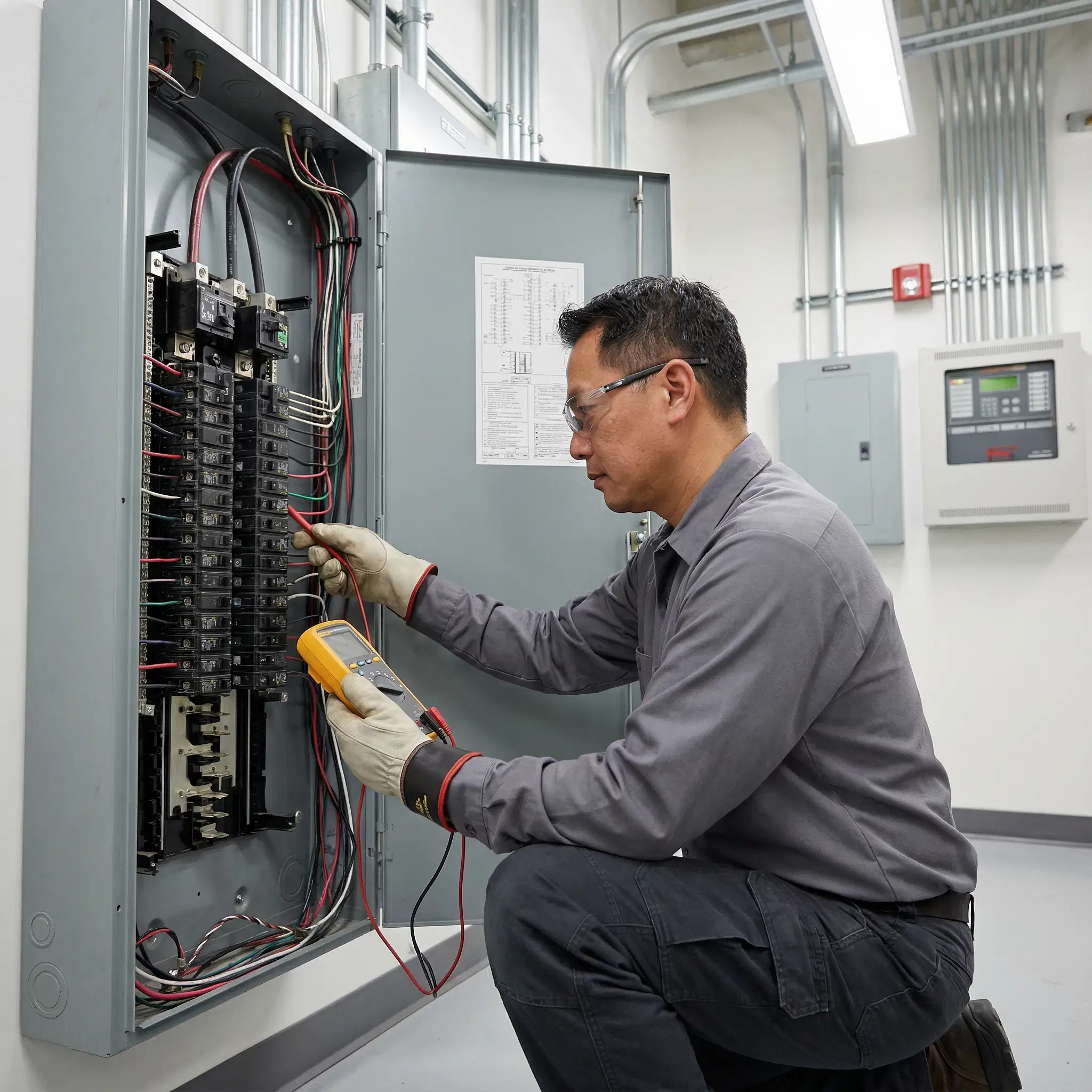
Will You Need a 200-Amp Panel Upgrade?
Upgrading 100-amp service to 200 amps is common during home electrification, but it is not universal. A panel upgrade or replacement may be recommended when the calculated demand exceeds available capacity, the panel lacks breaker spaces, or existing equipment is obsolete or unsuitable.
A larger service may be practical if you also plan to add an EV charger, electric water heater, induction range, hot tub, or second dwelling unit. Smart panels and approved energy-management systems are another growing option. Depending on the equipment and design, they may control certain loads so they do not operate simultaneously. They are not a shortcut around code requirements, but they can sometimes support an electrification plan without unnecessarily oversizing every component.
The price of upgrading from 100 to 200 amps cannot be determined from panel size alone. Cost depends on factors such as:
- The condition and location of the existing panel
- Service conductors, meter base, and grounding requirements
- Overhead versus underground utility service
- Required utility coordination
- Circuit extensions, repairs, and wall access
- Permit, inspection, and restoration requirements
A written estimate should identify the work included, likely inspection steps, exclusions, and whether finish repairs are part of the scope. That transparency is more useful than a low initial figure that omits essential work.
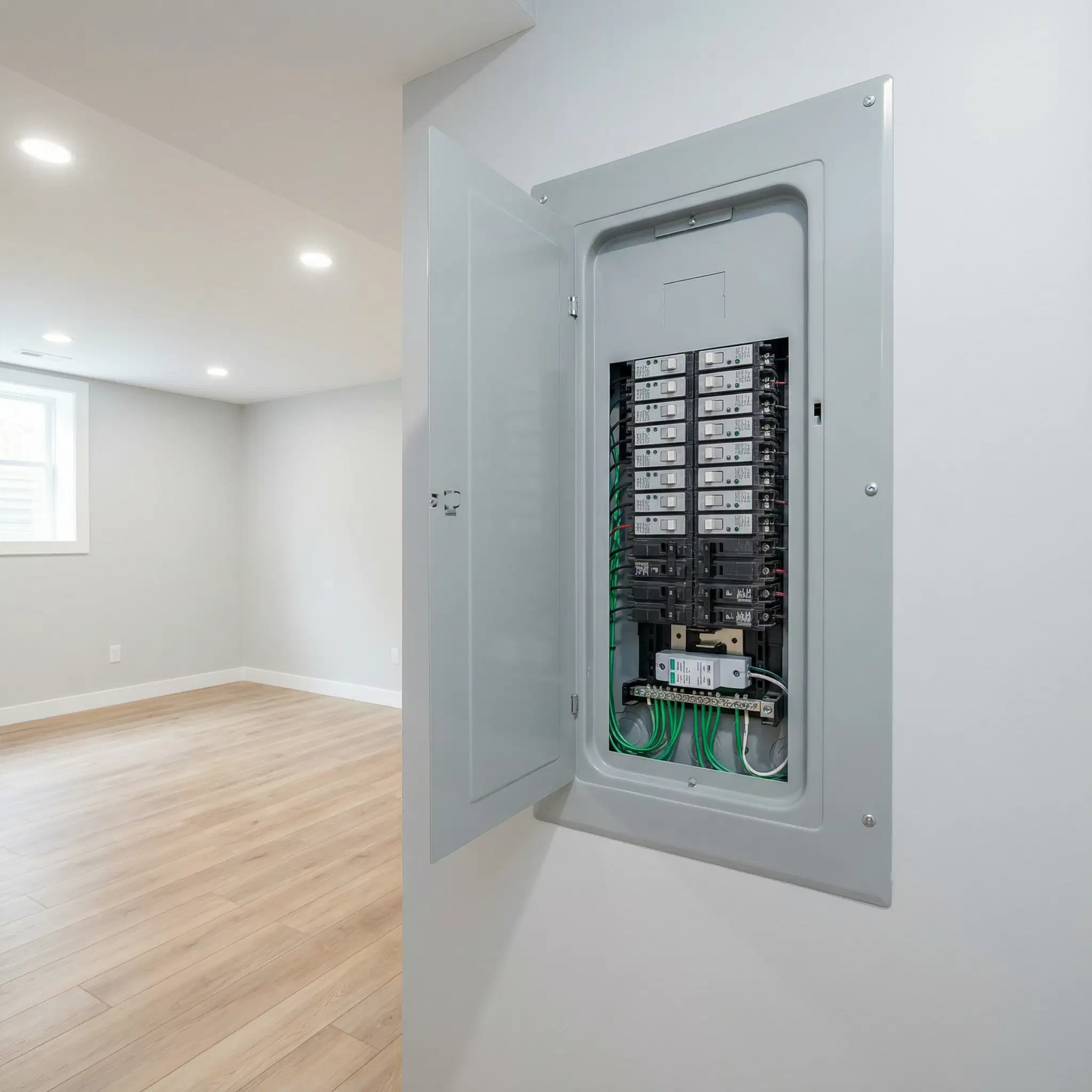
Circuits, Disconnects, Permits, and Inspections
Most heat pump equipment needs a dedicated circuit sized according to the manufacturer’s specifications and applicable code. The installation may also require a disconnect within the prescribed location relative to the outdoor unit. Indoor air handlers, condensate equipment, controls, and auxiliary heaters can have separate electrical requirements.
Electrical work associated with a heat pump conversion generally needs to follow the ESA notification and inspection process where applicable. The exact requirements depend on the scope of work, so homeowners should confirm that the electrical contractor will handle the necessary notification and coordinate inspection. If utility-side changes are required, scheduling may also involve Toronto Hydro.
Before hiring someone, verify that the contractor is an Ontario Licensed Electrical Contractor and ask for the ECRA/ESA licence number. A handyman or HVAC installer who is not authorized to perform the required electrical work should not add breakers, alter a panel, or install permit-required wiring.
Kcmil Electric Inc can coordinate residential electrical work with the HVAC installation plan. For conversions completed as part of a larger addition, basement redesign, or whole-home project, early home-remodelling electrical planning can keep circuits, equipment locations, and project timelines aligned.
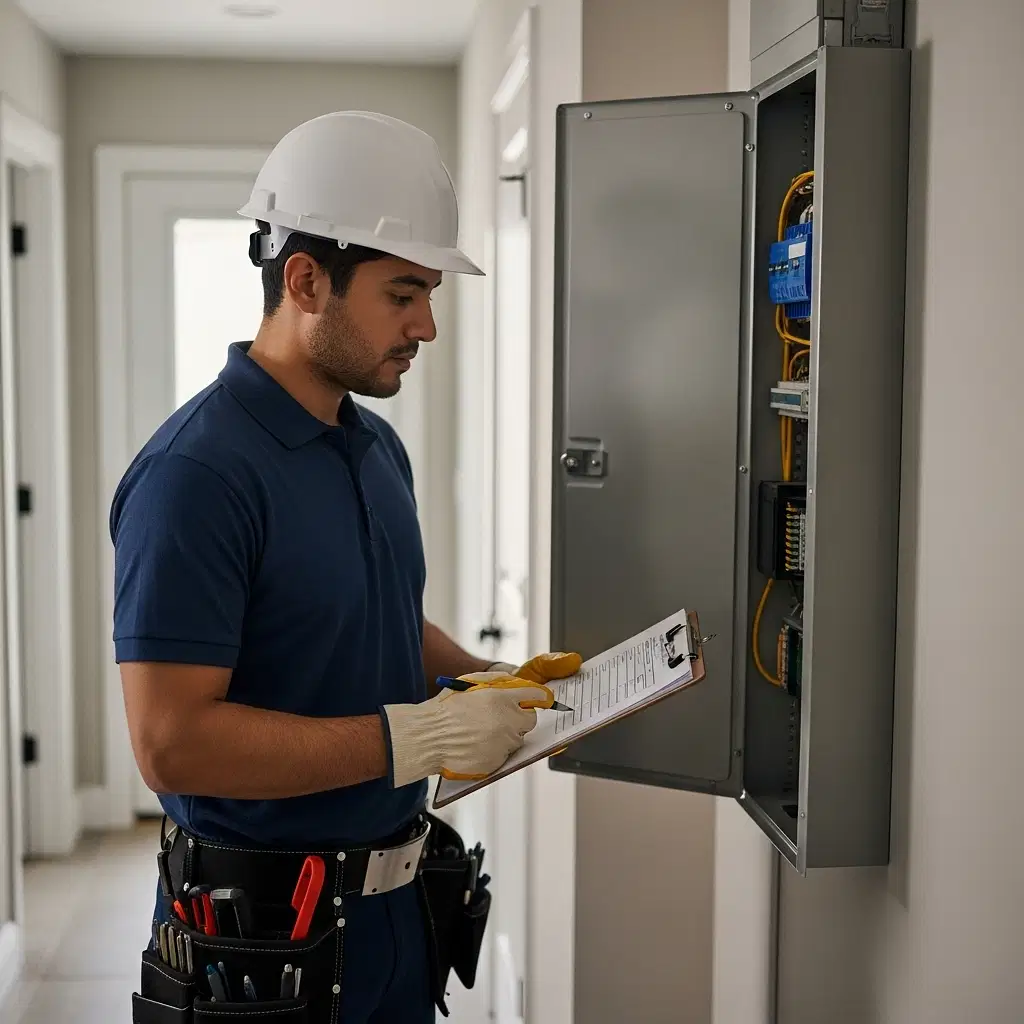
Plan for Comfort, Reliability, and Future Loads
The electrical design should account for how the heat pump will perform on the coldest days, not only during mild weather. Ask the HVAC designer whether the system uses resistance backup heat, how that backup is staged, and whether any existing furnace remains part of a dual-fuel setup. These choices can materially change the electrical load.
It is also wise to discuss future plans before work begins. Installing a panel with suitable space—or considering load management now—may be less disruptive than reopening finished walls later. This is particularly relevant as households add EV charging, heat-pump water heaters, smart energy controls, and other high-demand equipment.
Frequently asked questions
Can rebates pay for the electrical work?
Rebate and financing programs change frequently, and eligibility may depend on equipment specifications, energy assessments, application timing, and program funding. Check current federal, provincial, utility, and municipal program terms before signing a contract. Do not assume every panel upgrade will qualify simply because it supports a heat pump.
How long does the electrical portion take?
A straightforward circuit installation may be relatively quick, while a service upgrade requires more planning, utility coordination, inspection, and possible power interruption. Equipment availability and skilled-trade scheduling can also affect timing, so arrange the electrical assessment before confirming the HVAC installation date.
Get the Electrical Plan Right Before Installation Day
A successful heat pump conversion starts with verified equipment specifications, an accurate load calculation, properly sized circuits, and a clear compliance plan. A 200-amp upgrade may be the right investment, but it should follow a technical assessment rather than an assumption.
Kcmil Electric Inc provides panel upgrades, residential electrical work, home-remodelling support, EV charger installations, and related electrical services throughout the GTA. To discuss your heat pump plans and request a clear project assessment, contact Kcmil Electric Inc before the HVAC work begins.