
The Complete Guide to Home EV Charger Electrical Requirements
Making the switch to an electric vehicle is an exciting milestone. There is nothing quite like the convenience of bypassing the gas station and waking up every morning to a fully charged car right in your own driveway. However, as EV ownership rapidly expands across the GTA, many homeowners are discovering that getting their house ready for a new vehicle requires a bit more planning than simply plugging a cord into a standard wall outlet.
Preparing your home for an electric vehicle involves understanding your current electrical infrastructure and ensuring it can handle a significant new draw of power. Whether you are purchasing your first electric vehicle or upgrading to a faster charging system, understanding the baseline requirements will help you make informed decisions, keep your property safe, and ensure your new daily routine is entirely seamless.

Decoding Level 1 vs. Level 2 Charging
When you buy an electric vehicle, it typically comes with a standard Level 1 charging cord. This cord plugs directly into a standard 120-volt household outlet. While convenient because it requires no specialized electrical work, Level 1 charging is incredibly slow, often adding only a few kilometers of range per hour. For most drivers with a daily commute, this simply is not practical.
This is why the vast majority of EV owners opt for a Level 2 charger. A Level 2 charging station operates on a 240-volt system—the same type of heavy-duty power source used by large household appliances like electric dryers or stoves. Because of this higher voltage, level 2 ev charger electrical requirements are much stricter. You cannot simply plug these units into a standard outlet; they require specialized wiring and a dedicated power source to function safely and efficiently.
Assessing Home EV Charger Installation Panel Capacity
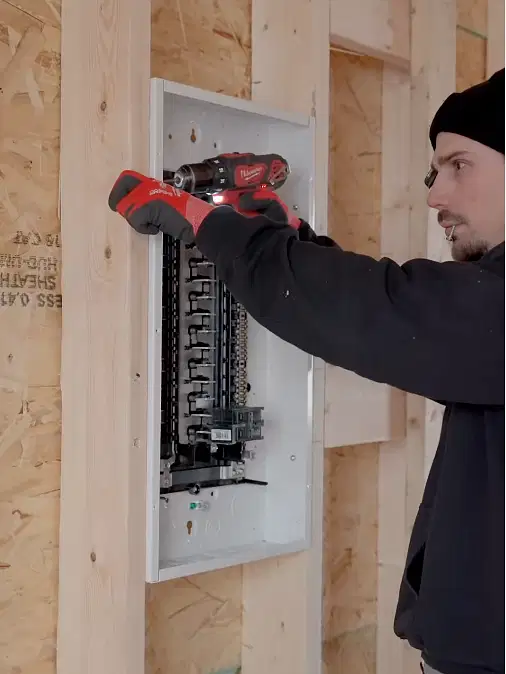
One of the most common questions homeowners have is whether their existing electrical panel can support the new charger. A Level 2 charger draws a continuous, heavy electrical load for several hours at a time. If your panel does not have the capacity to handle this alongside your other household appliances, you will likely experience frequently tripped breakers or, worse, overheating wires.
Determining your home ev charger installation panel capacity starts with a professional load calculation. Many older homes were built with 100-amp service panels, which were perfectly adequate for the appliances of the time. However, if you are running an electric stove, a clothes dryer, central air conditioning, and now a 40-amp or 48-amp EV charger, a 100-amp panel will likely be maxed out.
In these cases, upgrading to a 200-amp panel is often the safest and most practical solution. While homeowners frequently ask about the average cost to upgrade a home electrical panel from 100 to 200 amps, the investment varies depending on your home's age and existing wiring setup. Ultimately, upgrading your panel not only accommodates your new vehicle but also future-proofs your home for other modern energy solutions like heat pumps or smart appliances, all while ensuring your daily hydro usage is managed safely.
The Importance of a Dedicated Circuit
Safety should always be the top priority when dealing with heavy electrical loads. Because an EV charger runs continuously for hours, it must have its own separate pathway for power. Establishing a dedicated circuit for home ev charger installations means that the wiring connects directly from your electrical panel to the charging unit, without sharing power with lighting, outlets, or other appliances.
Sharing a circuit with an EV charger is a serious fire hazard and a direct violation of safety codes. A dedicated circuit ensures that the continuous pull of electricity operates smoothly, protecting your home's internal wiring from melting or degrading over time.
Safety, Compliance, and Licensed Electrical Contractors
With the rise in EV popularity, some homeowners consider DIY installations or hiring general handymen to save on upfront costs. This leads to a critical question: Are EV charger installations required to be performed by a Licensed Electrical Contractor?
Yes, absolutely. Under provincial safety regulations, any significant electrical work—especially involving 240-volt dedicated circuits—must be completed by a Licensed Electrical Contractor (LEC) and requires a permit from the Electrical Safety Authority (ESA).
Attempting to bypass these regulations can have severe consequences. Unlicensed work can void your charger's warranty, lead to rejected home insurance claims in the event of a fire, and pose a severe risk to your family. By working with certified Red Seal journeypersons, you guarantee that your installation meets the rigorous standards of the Canadian Electrical Code. Professional contractors will pull the necessary permits, arrange for the ESA inspection, and provide you with a certificate of inspection once the job is complete, giving you complete peace of mind.
Smart Energy Management and Future Trends
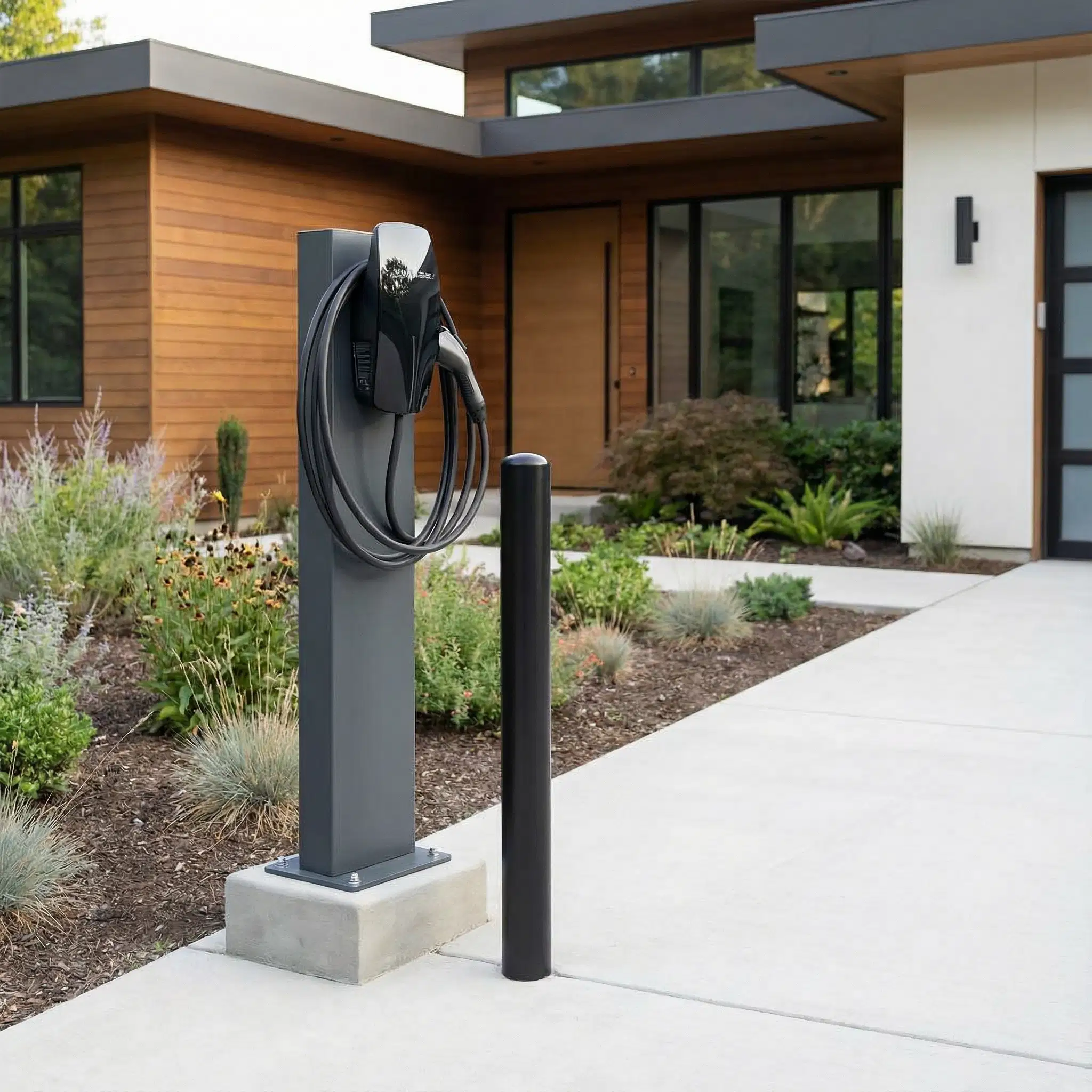
The electrical industry is rapidly evolving, and EV charging is becoming heavily integrated with smart home technologies. Today's modern chargers often feature Wi-Fi connectivity, allowing you to monitor your energy usage, schedule charging times from your smartphone, and take advantage of off-peak hydro rates overnight.
Furthermore, as we see a rise in Home Energy Management Systems (HEMS), your EV charger can intelligently communicate with your electrical panel to optimize power distribution. If your panel is nearing its capacity, a smart system can temporarily throttle the charger's power draw while another major appliance, like an electric oven, is running. This technology is incredibly beneficial for homeowners looking to maximize their existing electrical infrastructure safely.
Ready to Power Your Drive?
Transitioning to an electric vehicle is a fantastic step toward a more sustainable and cost-effective lifestyle, provided your home is properly equipped to handle the charge. From assessing your panel's capacity to running a dedicated circuit and securing ESA approval, proper planning guarantees a safe and reliable charging experience every time you plug in.
If you are planning to bring an electric vehicle home to Toronto, the team at Kcmil Electric Inc is here to help you navigate the process. We provide comprehensive residential electrical solutions tailored to your property's specific needs. To ensure your home is ready for the future of driving, learn more about our electrical vehicle charger installation services and schedule your consultation with our licensed professionals today.