Understanding Aluminum Wiring Safety and Home Insurance Certification
Falling in love with an older home is easy. The character, the mature trees, and the unique architecture of a classic semi-detached house can be incredibly charming. However, during the inspection or renovation process, many new homeowners uncover a hidden surprise behind the drywall: aluminum wiring. If you have recently discovered this in your property, you might be feeling a bit overwhelmed, especially when it comes time to secure home insurance in Toronto.
While finding out your house does not have standard copper wiring can be stressful, it is a very common scenario in homes built or renovated between the mid-1960s and late 1970s. The good news is that with the right information and professional help, managing this situation is completely straightforward.
At Kcmil Electric Inc, we frequently help homeowners navigate the complexities of electrical safety and insurance requirements. In this guide, we will walk you through exactly why this type of wiring requires special attention, how it impacts your insurance policy, and the approved steps you can take to ensure your property is both safe and fully compliant.
Why is Aluminum Wiring a Concern?
First, it is important to understand that aluminum wiring itself is not inherently illegal, nor does it mean your house is in immediate danger just by existing. The primary issue lies in how the metal behaves over time compared to copper, specifically at the connection points like outlets, switches, and junction boxes.
Aluminum expands and contracts more significantly than copper when it heats up and cools down as electricity flows through it. Over decades, this constant thermal expansion—a process known as cold flow—can cause the connections to loosen. Additionally, when exposed to air, aluminum oxidizes. Unlike copper oxide, which still conducts electricity, aluminum oxide acts as an insulator, increasing electrical resistance.
Increased resistance at loose connection points generates excess heat. If left unchecked, this can lead to melted insulation, warm faceplates, and in severe cases, dangerous fire hazards. This is exactly why you might suddenly need a sparking outlet repair or notice that your circuit breaker keeps tripping for no apparent reason. It is also why routine inspections of older electrical systems are so highly recommended.

Insurance Implications and ESA Certification
One of the most common questions we hear is: Is aluminum wiring safe, and will it affect my home insurance policy in Ontario?
The short answer is that it definitely impacts your insurance. Because of the known risks associated with aging connections, the vast majority of insurance providers will hesitate to offer coverage—or may demand a premium surcharge—until they have proof that the system is safe.
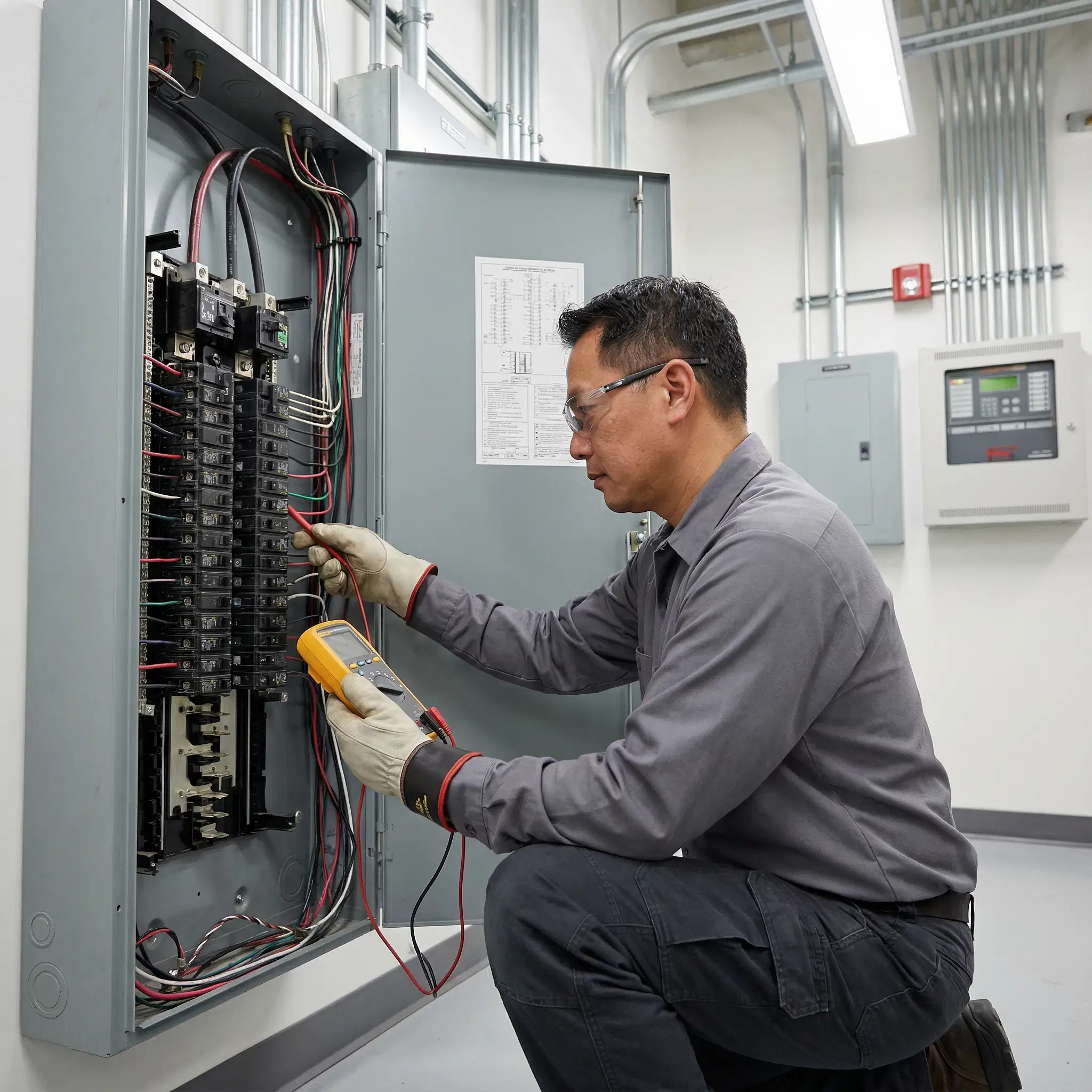
To satisfy your insurance provider, you will typically need an electrical safety inspection performed by an ESA certified professional. The Electrical Safety Authority (ESA) regulates safe electrical practices across the province. If your home has aging infrastructure, your insurer will likely request an ESA certificate for residential aluminum wiring. This document proves that a Licensed Electrical Contractor has inspected the system, performed any necessary remediation, and verified that the property meets the strict standards of the Ontario Electrical Safety Code.
Navigating this regulatory compliance can feel daunting, but it is a standard part of our residential electrical services. We handle the inspection, the necessary upgrades, and the complex permit processes to ensure you get the documentation you need without the headache.
Proven Inspection and Remediation Methods
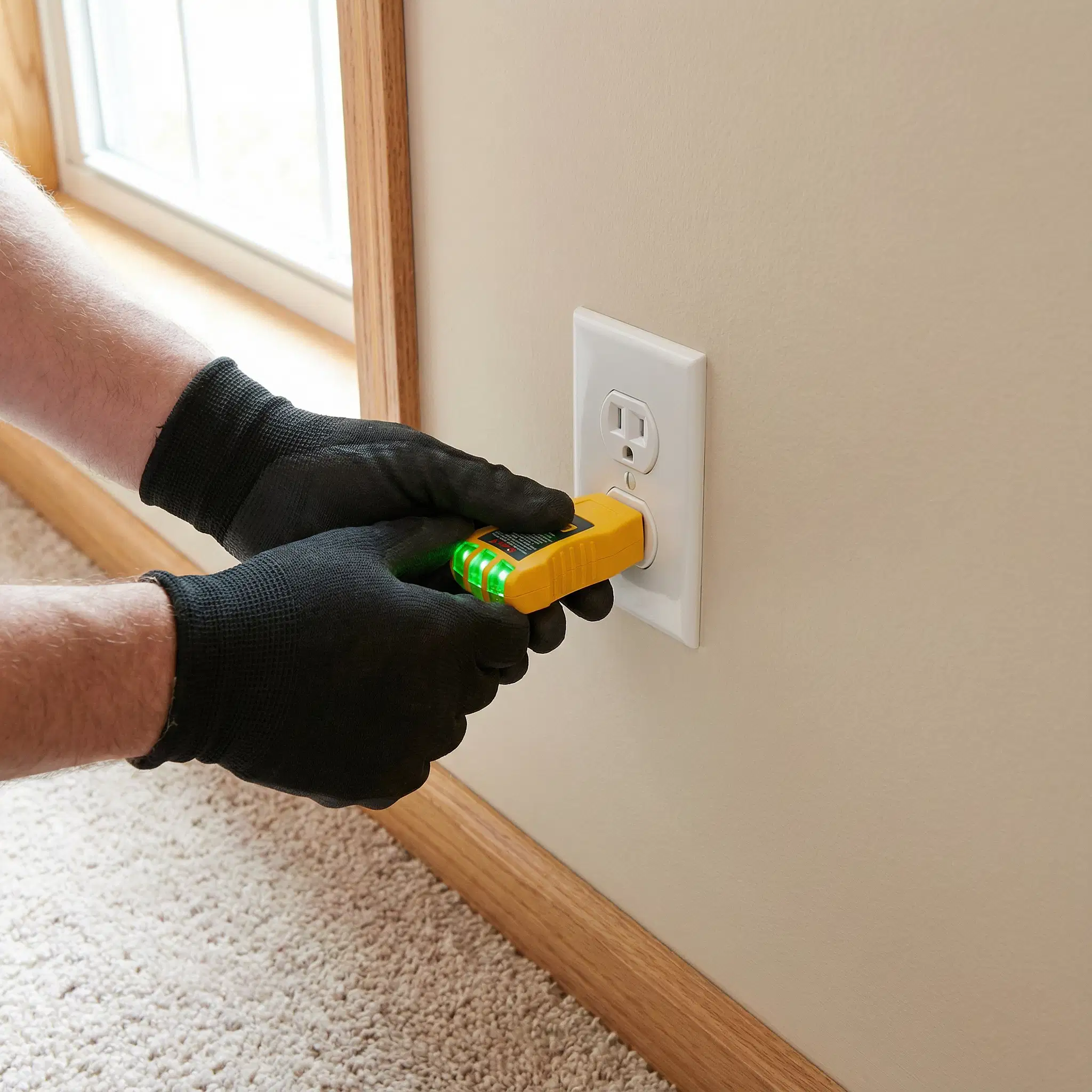
If your home requires attention, you might be researching various aluminum wiring inspection and remediation methods. How do we actually make the system safe?
The most permanent solution is a complete house rewire, replacing all the old material with modern copper wiring. While this is the ultimate fix, it requires opening up walls and ceilings. Therefore, a full rewire is typically only recommended if you are already planning a major home remodeling project where the walls will be exposed anyway.
For most homeowners, the more practical and cost-effective method is "pigtailing." This involves a licensed professional attaching a short piece of copper wire to the end of the existing aluminum wire, which is then connected to the switch or outlet. However, this must be done using very specific, ESA-approved connectors and anti-oxidant paste.
You may see debates online about AlumiConn vs COPALUM aluminum wire repairs. Both are specialized connection methods designed to prevent the metals from reacting and loosening. A qualified contractor will assess your specific system—often during a broader panel upgrade if your home still runs on an older 100-amp service—and determine the exact approved hardware required to secure your home.
What to Do If You Suspect an Issue
If you live in an older home and are unsure what type of wiring is behind your walls, the best approach is proactive assessment. Look out for warning signs: lights that flicker when a major appliance turns on, switch plates that feel warm to the touch, a faint burning smell near outlets, or frequent tripped breakers.
Most importantly, never attempt to inspect or repair these connections yourself. Mixing copper and aluminum without the proper training and approved materials is a major safety violation and a serious fire risk. If you experience any sudden electrical failures or sparking, do not hesitate to reach out for emergency electrical services to ensure your family's safety.
Securing your home and your insurance policy does not have to be a stressful ordeal. By partnering with Kcmil Electric Inc, you gain the peace of mind that comes from working with local experts who understand the nuances of the GTA housing market. We provide transparent, upfront pricing and ensure every job meets the highest ESA standards. If you are ready to make your electrical system safe, compliant, and worry-free, contact us today to schedule your comprehensive inspection.